Pontiac Firebird Diecast Models
The Pontiac Firebird is one of the defining American performance cars of the late 20th century. Produced from 1967 through 2002, the Firebird evolved through four generations, moving from the original pony-car era into increasingly sophisticated performance models while retaining a strong connection to Pontiac's performance identity.
The Firebird diecast models category at DiecastModelsWholesale.com brings together collectible scale replicas representing this history. Depending on the specific model, shoppers may find classic Firebirds, Firebird Trans Am, Formula models, Special Editions, racing-inspired versions, and Firebirds associated with movies and television.
For collectors, the Firebird offers several ways to build a collection. You can concentrate on a particular generation, such as the iconic second-generation cars, collect Trans Am versions, follow the model from 1967 to 2002, or focus on memorable Firebirds from popular culture.
Pontiac Firebird History
Pontiac introduced the Firebird for the 1967 model year, alongside Chevrolet's Camaro. GM describes both cars as pony cars that debuted for 1967 as the company responded to the growing popularity of compact performance cars.
The Firebird was closely related to the Camaro mechanically, but Pontiac gave it its own styling, engines, trim levels, and performance identity. From the beginning, buyers could choose among several Firebird configurations, giving the nameplate a broader range than a single performance model.
The Firebird continued through four generations:
- First generation — 1967–1969: The original Firebird, offered in coupe and convertible forms.
- Second generation — 1970–1981: A dramatically restyled Firebird that became the foundation for some of the most recognizable Trans Am models.
- Third generation — 1982–1992: A lighter, more aerodynamic Firebird with a much more modern design.
- Fourth generation — 1993–2002: A sleek, rounded design that carried the Firebird into the final years of production.
GM's historical archives preserve vehicle information for Firebird models from different periods, including the Firebird and Firebird Trans Am.
This four-generation history gives collectors a particularly clear visual progression from 1960s muscle and pony cars to 1990s performance coupes.
First-Generation Firebird Diecast Models
The 1967–1969 Firebird established the nameplate. Its proportions and styling reflected the pony-car design language of the period while incorporating Pontiac-specific details.
The first generation included several versions, including the Firebird 400 and performance-oriented models that helped establish the car's reputation. The Firebird was available as both a coupe and convertible during this period, creating additional variations for collectors to explore.
1967 Firebird
The 1967 Firebird is particularly important because it represents the beginning of the production nameplate. A 1967 Firebird diecast can serve as the starting point for a chronological collection.
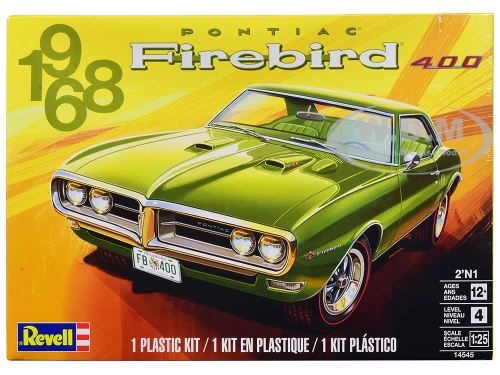
1968 Firebird
The 1968 model retained the basic first-generation proportions while receiving styling and equipment changes. For collectors, it provides an opportunity to distinguish the later first-generation design from the launch-year car.
1969 Firebird
The 1969 Firebird received more substantial styling changes and represents the final year of the first generation. A 1969 model can be an interesting companion to a 1967 or 1968 Firebird when building a year-by-year display.
Second-Generation Firebird and Trans Am Models
The second-generation Firebird, introduced for 1970, is arguably the most recognizable era of the nameplate. Its long, low body and distinctive front-end treatment created a design that remained visually influential throughout the 1970s and early 1980s.
This generation is especially important to diecast collectors because of the number of memorable performance and appearance packages associated with it.
Firebird Trans Am
The Trans Am became the flagship performance-oriented Firebird name. Over the second generation, Pontiac continually developed the Trans Am's appearance and performance, creating numerous variations that are now represented in scale-model collecting.
Collectors may encounter details such as:
- Large front and rear spoilers
- Hood scoops
- Fender and hood graphics
- Special wheels
- Performance tires
- Distinctive front fascias
- Trans Am badging
- Special-edition graphics
Firebird Formula
The Firebird Formula provides another important branch of Firebird collecting. Formula models offered a performance-oriented alternative to the Trans Am, with their own combinations of engines, hood treatments, wheels, and trim.
For collectors, Formula and Trans Am models can be displayed together to show the different approaches Pontiac used within the Firebird range.
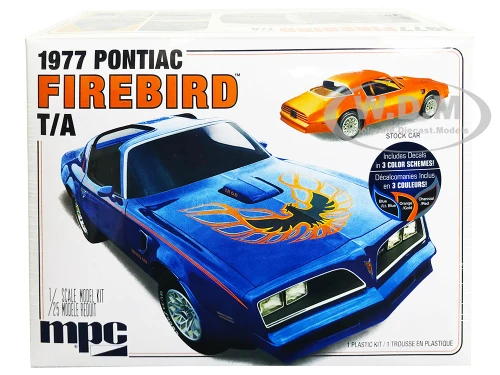
The 1977 Firebird Trans Am
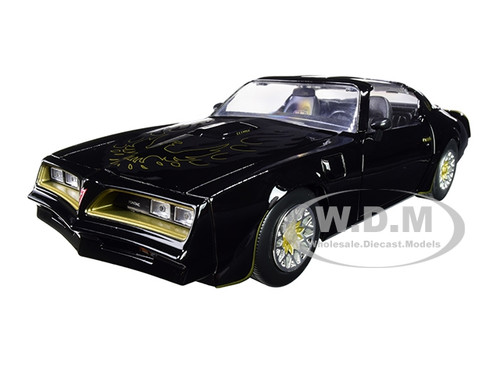
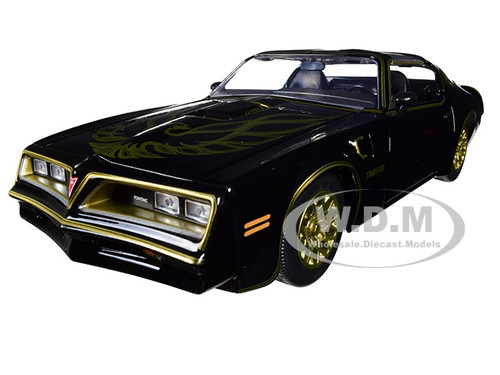
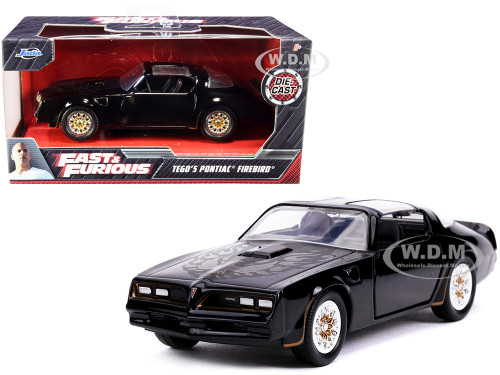
The 1977 Firebird Trans Am is particularly recognizable because of its styling and its role in popular culture. The Trans Am's combination of a black-and-gold appearance, hood graphics, spoilers, and performance image helped make this generation one of the most memorable American performance cars of the era.
The period also established visual elements that collectors immediately associate with classic Trans Am models.
For a diecast collection, the 1977 Trans Am can serve as an anchor for a display focused on late-1970s American performance cars.
Special Edition Firebird Models
Pontiac used the Firebird name for numerous special editions, making limited or commemorative versions another area of interest for collectors.
Special editions can be distinguished by:
- Unique paint schemes
- Special graphics
- Decals
- Wheels
- Interior trim
- Spoilers
- Hood treatments
- Badging
The specific equipment and appearance can vary by model year, so collectors interested in historical accuracy should compare the exact year and version rather than treating every second-generation Trans Am as interchangeable.
Third-Generation Firebird Diecast Models
The third-generation Firebird debuted for 1982, representing a major departure from the design of the previous generation. The new car featured a more aerodynamic shape, sharper lines, and a dramatically different interpretation of the Firebird formula.
This generation included the Firebird, Formula, and Trans Am, with Pontiac continuing to use performance and appearance packages to differentiate the models. GM's 1982 VIN documentation identifies separate Firebird, Formula, and Trans Am series, illustrating the distinct configurations offered during this era.
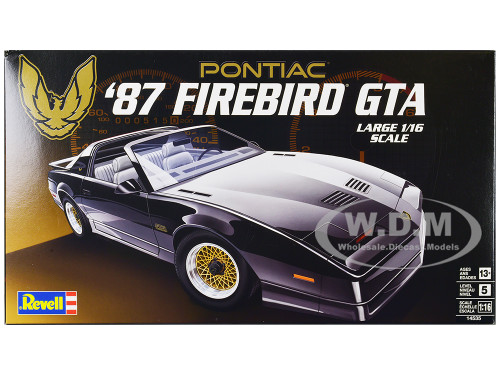
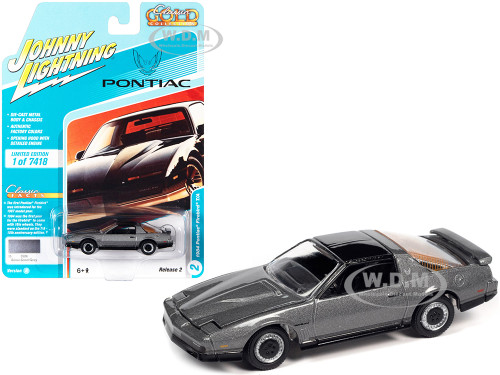
1980s Firebird Trans Am
The 1980s Trans Am developed a strong identity of its own, with aerodynamic bodywork, integrated spoilers, distinctive wheels, and increasingly recognizable graphics.
For collectors, third-generation Firebirds are especially useful when building an 1980s automotive collection, particularly alongside other performance cars from the same period.
Firebird Trans Am and Popular Culture
Few American cars have been as closely associated with popular culture as the Firebird Trans Am.
The Trans Am appeared prominently in film and television, with different generations becoming associated with particular productions. This gives collectors another way to approach Firebird models: not simply by factory specifications, but by the specific version seen on screen.
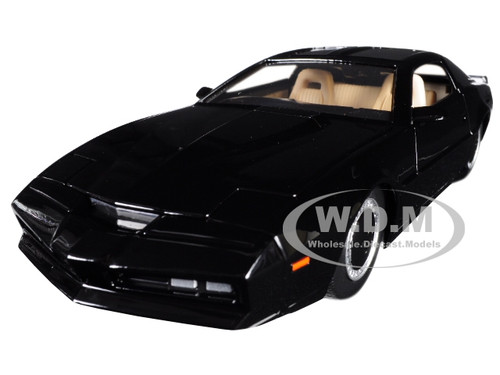
The 1982 Firebird Trans Am became particularly famous through Knight Rider, where a heavily customized black Trans Am served as KITT. This interpretation added a new dimension to the car's cultural legacy and helped introduce the third-generation Firebird to a much wider audience.
Other Firebirds and Trans Ams appeared throughout film and television, including the classic 1977 Trans Am associated with Smokey and the Bandit.
Movie and television versions can differ from standard production cars through modifications, graphics, wheels, spoilers, or other details. That makes them especially interesting for collectors who focus on pop-culture vehicles.
Firebird models can also complement other movie and television vehicles in the Movies & TV Series category.
Fourth-Generation Firebird Models
The fourth-generation Firebird arrived for 1993 with a completely new shape. The rounded, aerodynamic body was significantly different from the angular third-generation car and reflected the styling direction of 1990s performance vehicles.
The fourth-generation Firebird continued to offer Formula and Trans Am models, while performance development continued throughout the 1990s.
Collectors interested in this period may look for:
- 1990s Firebird models
- Firebird Formula
- Firebird Trans Am
- Trans Am WS6
- Coupe and convertible configurations
- Special editions
- Movie and television versions
The fourth generation remained in production through 2002, marking the end of the Pontiac Firebird's original production run. GM's archives include Firebird-related vehicle information from this period, including the final-generation cars.
Firebird Trans Am WS6 Models
The Trans Am WS6 is an important subject for collectors interested in fourth-generation performance Firebirds. The package became associated with more aggressive exterior styling, including a distinctive hood treatment, and additional performance-oriented equipment.
A WS6 diecast model can therefore be substantially different visually from a standard fourth-generation Firebird.
For collectors, checking the specific product description is important because Firebird, Formula, Trans Am, and WS6 versions can represent different specifications even when they share the same basic body.
Firebird Models by Generation
Building a collection around the four Firebird generations provides one of the clearest ways to explore the car's history.
First Generation — 1967–1969
The original pony car, including Firebird, Firebird 400, and early Trans Am-related performance subjects.
Second Generation — 1970–1981
The iconic long-running design associated with classic Trans Am, Formula, performance packages, and numerous special editions.
Third Generation — 1982–1992
The aerodynamic 1980s Firebird, including Formula and Trans Am versions and famous pop-culture examples.
Fourth Generation — 1993–2002
The rounded 1990s Firebird, including Formula, Trans Am, WS6, and final-generation models.
Collecting one model from each generation creates a compact history of the Firebird without requiring a large number of individual vehicles.
Choosing a Firebird Diecast Model
When comparing Firebird models, collectors should look beyond the basic "Firebird" name. Important differences can include:
- Exact model year
- Generation
- Firebird, Formula, or Trans Am
- WS6 or other performance package
- Coupe or convertible
- Factory versus movie/TV version
- Exterior color
- Graphics and decals
- Hood and spoiler design
- Wheels and tires
- Interior details
- Opening doors, hood, or trunk where applicable
- Manufacturer
- Scale
- Packaging
These details can be particularly important with Firebirds because the same generation may contain substantial year-to-year styling and equipment changes.
Firebird Diecast Models by Scale
Firebird models are produced in different scales depending on the manufacturer and specific release.
1/18 Firebird Models
1/18 scale Firebird models provide a larger display format and allow room for detailed interiors, engine compartments, wheels, body trim, and other features when included by the manufacturer.
1/24 Firebird Models
1/24 Firebird diecast models offer a practical balance between size and detail. They are well suited to collections featuring multiple American muscle and pony cars.
1/43 Firebird Models
1/43 Firebird models require less display space and can be useful for collectors building chronological collections with many different model years.
1/64 Firebird Models
1/64 Firebird models allow collectors to represent multiple generations, colors, and variations while keeping the overall collection compact.
Scale availability and features vary by individual product, so shoppers should check each listing for the exact scale and configuration.
Building a Pontiac Firebird Collection
There are several natural ways to collect Firebird diecast models.
A generation-focused collection can feature one representative Firebird from each of the four generations.
A Trans Am collection can concentrate on the evolution of the performance flagship from the classic second-generation cars through the third- and fourth-generation models.
A movie and television collection can focus on recognizable Firebirds such as the Smokey and the Bandit Trans Am or Knight Rider KITT.
A model-year collection can document the styling changes within one generation.
Collectors can also pair Firebirds with related American performance cars, including the Chevrolet Camaro, Mustang, Corvette, Charger, and Challenger, creating a broader display of American automotive history.
Why Collect Firebird Diecast Models?
The Firebird offers a particularly broad collecting subject because its history combines American pony-car design, Pontiac performance, Trans Am heritage, special editions, and popular culture.
A 1967 Firebird looks fundamentally different from a 1977 Trans Am, while a 1982 Trans Am and a 1998 WS6 represent another two very different stages of the nameplate. That variety allows collectors to build displays that tell a story rather than simply showing multiple versions of the same vehicle.
The name also has an interesting historical footnote: Pontiac's Firebird was named after GM's earlier Firebird concept cars, including the 1954 Firebird I and 1958 Firebird III. These turbine-powered concepts were not production versions of the Pontiac sports car, but the Firebird name later became associated with Pontiac's 1967–2002 performance car.
Shop Pontiac Firebird Diecast Models
From the original 1967 Firebird and iconic second-generation Trans Am to the aerodynamic third-generation cars and powerful fourth-generation WS6, the Pontiac Firebird offers collectors decades of distinctive American performance-car history.
Browse the Firebird diecast models at DiecastModelsWholesale.com to explore available Firebirds, Trans Ams, Formula models, special editions, movie and television cars, scales, colors, and generations, and find a Pontiac Firebird model that fits your collection.



 $32.99
 $46.99


 $43.99Was $49.49Save 11%